
Operating a commercial vehicle involves more than purchasing a truck. Businesses must also manage fuel, maintenance, insurance, tyres, driver expenses and other costs associated with transportation.
For transport companies, distributors, construction firms and other businesses that depend on trucks, managing these expenses is important for maintaining profitability.
Although some operating costs are unavoidable, good vehicle management practices can help reduce unnecessary expenses, minimise downtime and improve business efficiency.
Here are practical ways to manage commercial vehicle operating costs in Uganda.
1. Choose the Right Truck for Your Business
One of the most important decisions is selecting a truck that matches your transportation requirements.
A vehicle that is too small may require additional trips, while an unsuitable truck may result in unnecessary operating expenses.
Before purchasing a commercial truck, consider:
- The weight and volume of goods you transport.
- The distances covered during normal operations.
- The type of roads and working conditions.
- The number of trips made each week.
- The body configuration required for your cargo.
Choosing an appropriate truck can help your business manage transportation more effectively.
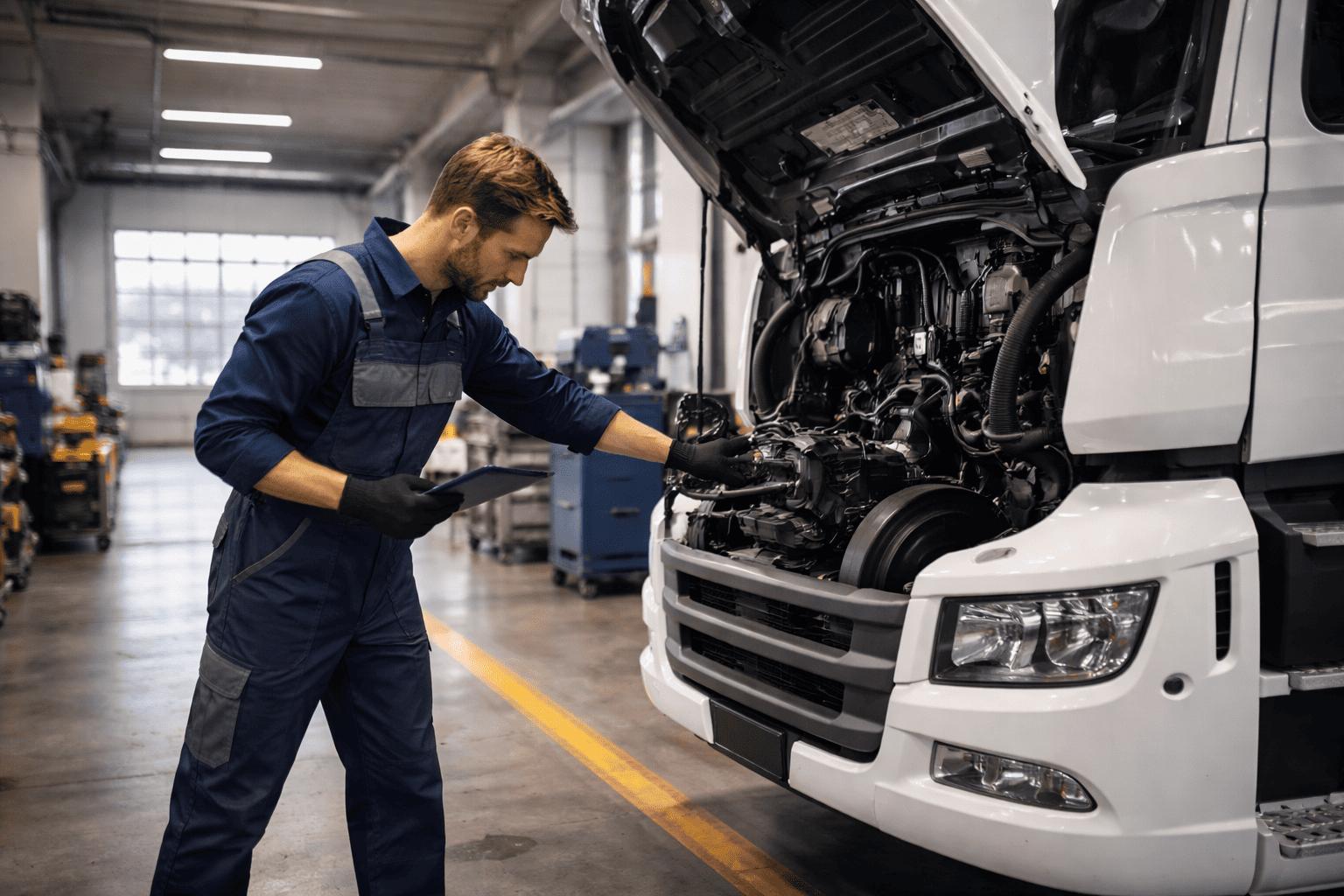
2. Follow a Regular Maintenance Schedule
Preventive maintenance is important for keeping commercial vehicles in good working condition.
Regular inspections can help identify potential problems before they develop into major mechanical failures.
Important maintenance activities include:
- Checking engine oil and other fluids.
- Inspecting the braking system.
- Checking tyres and tyre pressure.
- Inspecting the cooling system.
- Replacing filters according to recommended intervals.
- Checking belts, hoses and other components.
- Inspecting suspension and steering systems.
Always follow the manufacturer’s maintenance recommendations for the specific vehicle model.
3. Improve Fuel Management
Fuel is one of the major expenses for businesses operating commercial trucks.
Good fuel management practices can help reduce unnecessary consumption.
Consider the following measures:
Plan Routes Properly: Plan deliveries and journeys to reduce unnecessary distance and avoid repeated trips where possible.
Avoid Excessive Idling: Unnecessary engine idling consumes fuel without moving the vehicle.
Maintain Correct Tyre Pressure: Incorrect tyre pressure can affect fuel consumption, tyre wear and vehicle handling.
Avoid Overloading: Operating beyond the manufacturer’s specified limits can increase fuel consumption and place additional stress on vehicle components.
Monitor Fuel Usage: Keep records of fuel purchases and consumption to identify unusual changes that may require investigation.
4. Train Drivers in Responsible Vehicle Operation
Driver behaviour can influence fuel consumption, vehicle wear and road safety.
Businesses should encourage drivers to:
- Avoid unnecessary sudden acceleration and braking.
- Observe appropriate speed limits.
- Use the correct gears.
- Carry out pre-trip vehicle inspections.
- Report unusual sounds, warning lights and mechanical problems.
- Follow safe driving practices.
Responsible driving helps protect the vehicle, the driver, other road users and the cargo being transported.
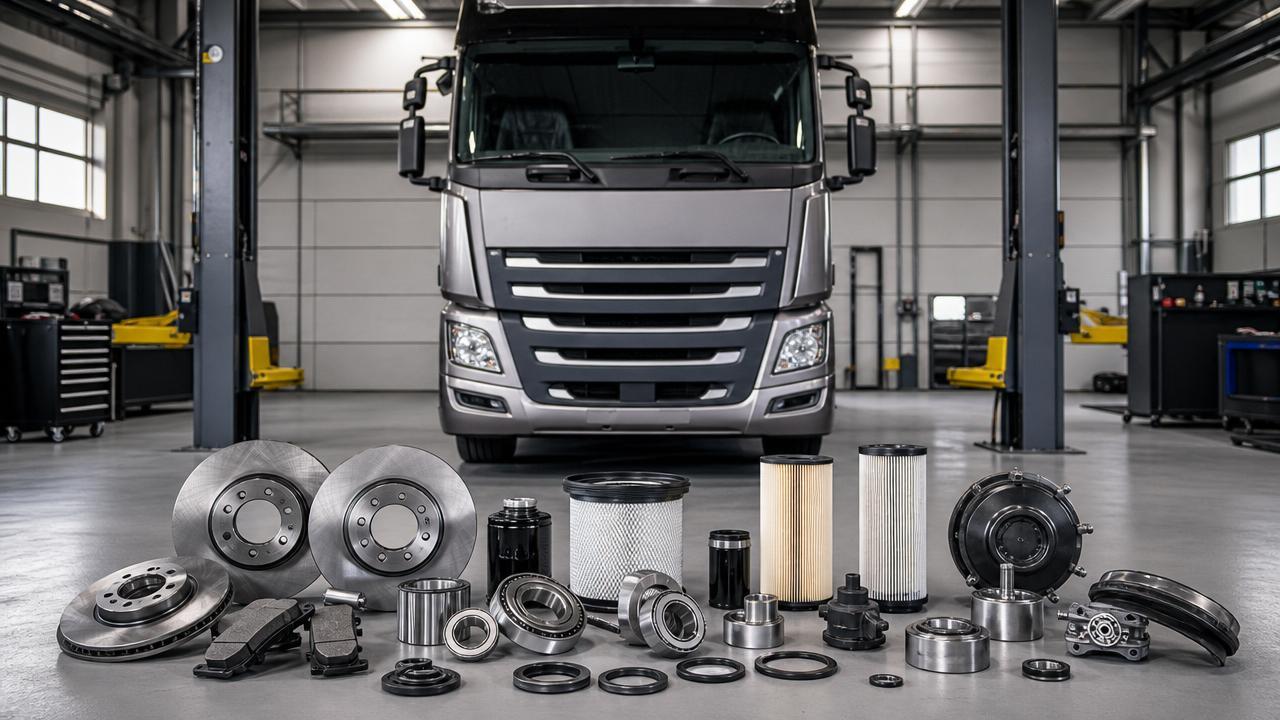
5. Use the Correct Spare Parts
Using suitable replacement components is important when maintaining commercial vehicles.
Incorrect or unsuitable parts may affect vehicle performance and could lead to additional repairs.
When purchasing spare parts, provide accurate vehicle details, including the model, year, engine information and part number where available.
Always confirm compatibility before fitting a replacement component.
6. Keep Proper Vehicle and Maintenance Records
Record keeping helps businesses understand how much each vehicle costs to operate.
Maintain records of:
- Fuel purchases.
- Routine servicing.
- Repairs.
- Spare parts replacements.
- Tyre purchases.
- Insurance and licensing expenses.
- Mileage and trip information.
Reviewing these records can help identify vehicles with unusually high maintenance expenses or fuel consumption.
It can also support better budgeting and fleet replacement decisions.
7. Reduce Unnecessary Vehicle Downtime
When a commercial vehicle is not operating, it may affect deliveries, project schedules and business income.
Businesses can reduce avoidable downtime by:
- Scheduling routine maintenance.
- Inspecting vehicles before long journeys.
- Addressing mechanical problems early.
- Keeping essential maintenance records.
- Planning for the sourcing of commonly required spare parts.
Proper planning can help businesses maintain more consistent transportation operations.
8. Find the Right Foton Commercial Vehicle for Your Business
Selecting an appropriate commercial vehicle is an important part of managing transportation expenses.
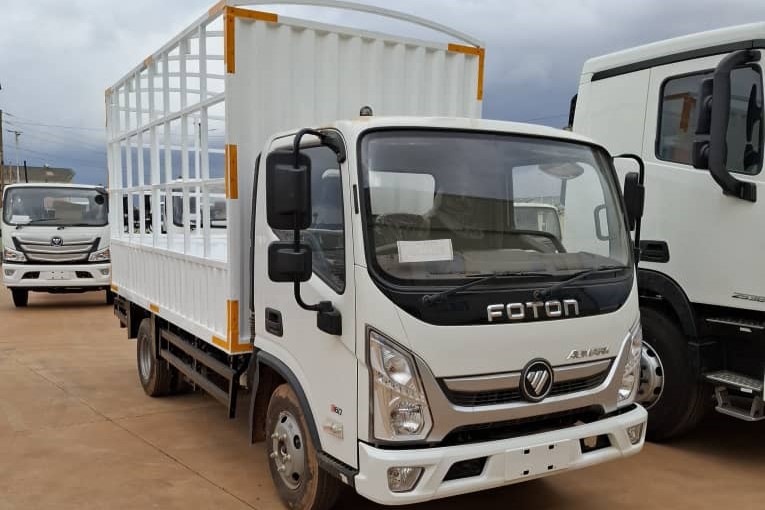
Foton Trucks & Spare World focuses on Foton trucks, pick-ups, mini-buses and spare parts solutions for customers in Uganda.
Whether you operate a transport company, construction business, distribution company or another enterprise, we welcome enquiries about Foton vehicles suitable for your requirements.
Contact Foton Trucks & Spare World
- Location: Namanve, Kampala, Uganda
- Phone: +256 759 386232
- Email: info@fotontruckworld.com
- Website: https://fotontruckworld.com
Looking for a commercial truck for your business? Contact our team to discuss your requirements and request a quotation.