Commercial trucks are often used for demanding transportation activities. They may cover long distances, carry heavy loads and operate under different road and weather conditions.
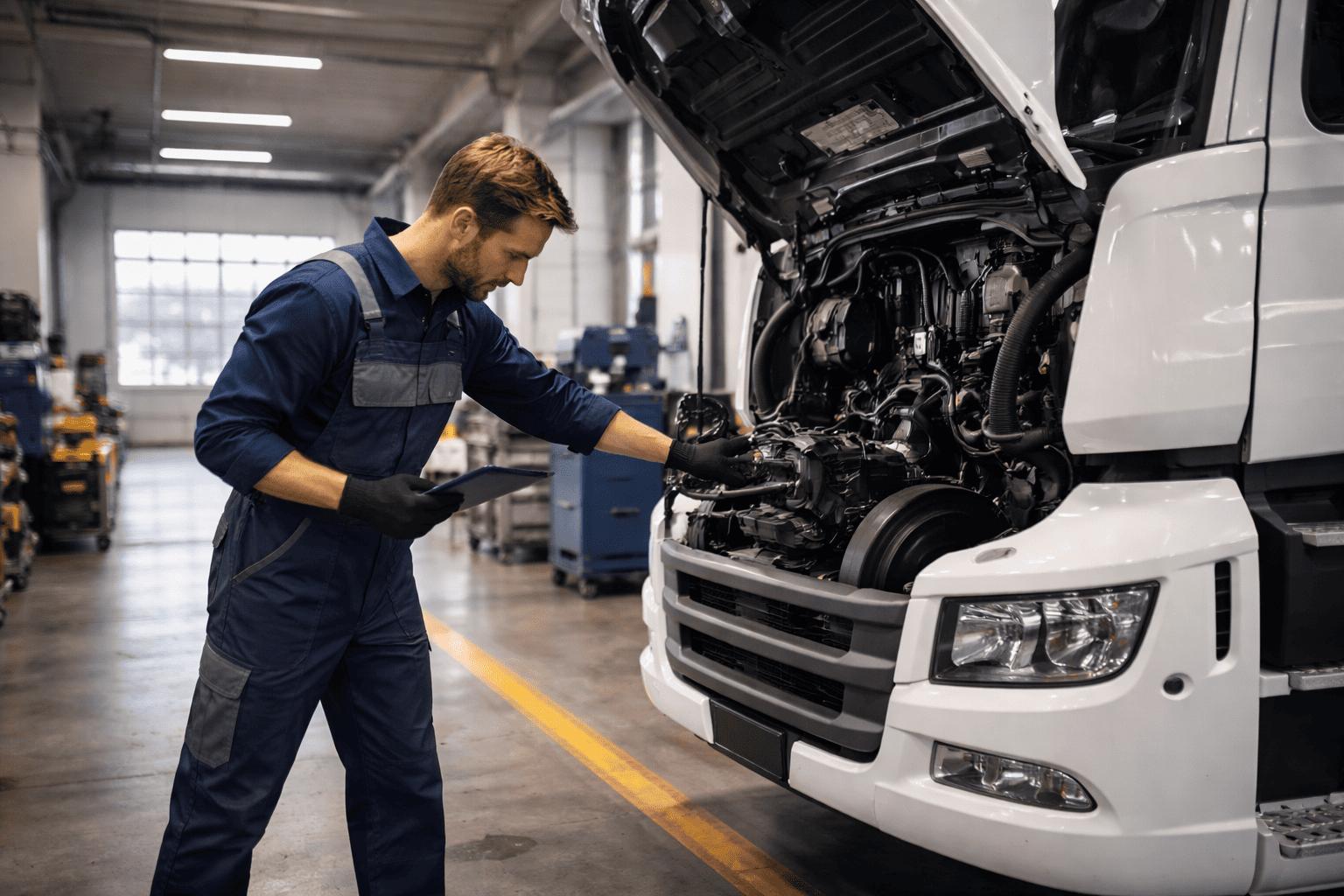
Like all mechanical vehicles, trucks require regular maintenance to keep their systems functioning properly.
Ignoring warning signs or delaying routine servicing can lead to unexpected breakdowns and expensive repairs.
For truck owners and fleet operators in Uganda, understanding common maintenance problems can help improve vehicle care and reduce avoidable downtime.
Here are some common truck problems and practical ways to prevent them.
1. Engine Overheating
Engine overheating is a problem that should never be ignored.
It can occur due to cooling system problems, low coolant levels, leaks, a faulty thermostat or other mechanical issues.
Possible warning signs include:
- Temperature gauge rising above its normal range.
- Coolant warning lights.
- Steam coming from the engine area.
- Unusual engine performance.
Prevention tips:
- Check coolant levels regularly.
- Inspect radiator hoses and connections.
- Look for coolant leaks.
- Keep the cooling system in good condition.
- Follow recommended servicing intervals.
If the engine overheats, stop safely and have the vehicle inspected. Never open a hot radiator cap.
2. Battery and Electrical Problems
Electrical problems can affect starting, lighting, dashboard systems and other vehicle functions.
A weak battery, damaged wiring, loose connections or a faulty charging system may cause electrical difficulties.
Prevention tips:
- Inspect battery terminals for corrosion.
- Check that battery connections are secure.
- Monitor warning lights.
- Have the charging system inspected when necessary.
- Replace worn or damaged electrical components with suitable parts.
3. Brake System Problems
The braking system is essential for the safe operation of any commercial vehicle.
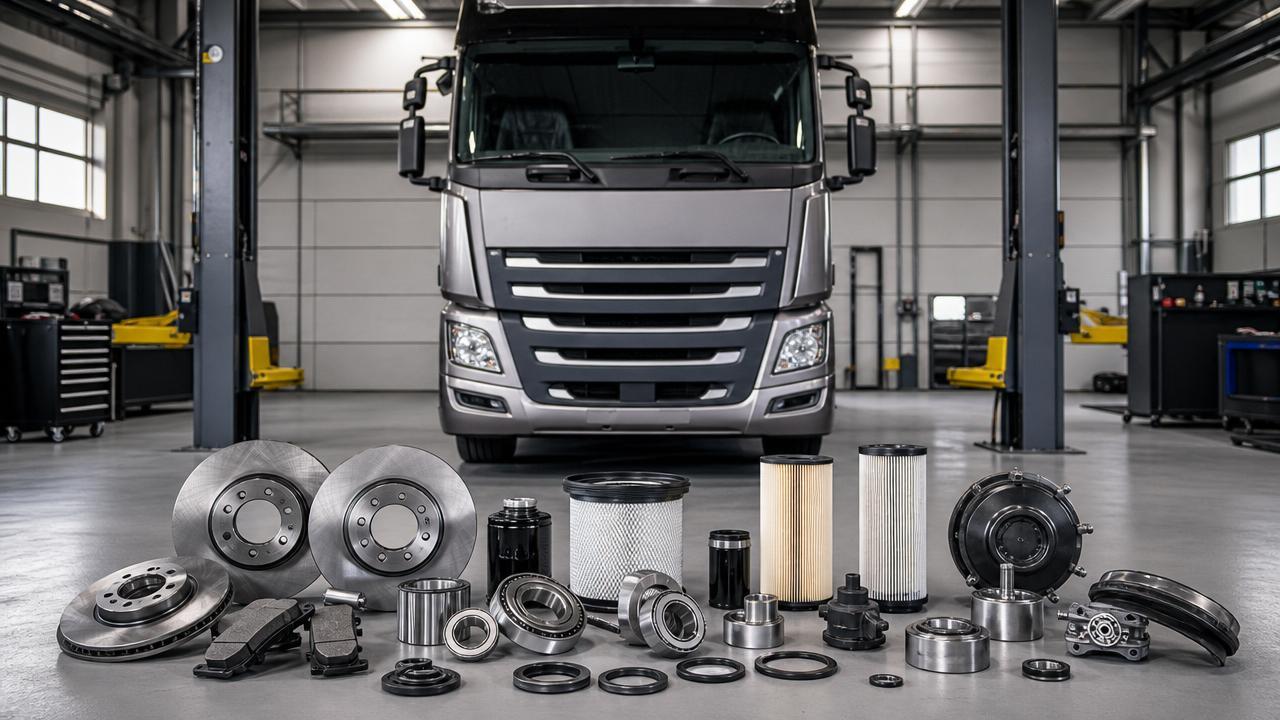
Worn brake components, air leaks in pneumatic systems, damaged hoses or other mechanical faults may affect braking performance.
Warning signs include:
- Unusual braking noises.
- Reduced braking performance.
- Changes in brake pedal behaviour.
- Brake warning indicators.
- Air pressure warnings on vehicles with air brake systems.
Prevention tips:
- Inspect the braking system regularly.
- Check brake pads, linings and other relevant components.
- Inspect hoses and connections.
- Pay attention to warning indicators.
- Have brake problems assessed by a qualified technician immediately.
Never continue operating a vehicle with suspected brake failure.
4. Excessive Tyre Wear
Tyres are important for vehicle stability, handling and road safety.
Uneven or excessive tyre wear may result from incorrect tyre pressure, wheel alignment problems, worn suspension components, overloading or unsuitable operating conditions.
Prevention tips:
- Check tyre pressure regularly.
- Inspect tyres for cuts, cracks and unusual wear.
- Ensure wheel alignment is checked when necessary.
- Avoid exceeding recommended vehicle loads.
- Replace tyres that are no longer safe for use.
5. Oil Leaks
Oil leaks may occur due to worn seals, damaged gaskets, loose connections or other engine and transmission problems.
If left unaddressed, oil leaks may lead to reduced lubrication and potential mechanical damage.
Prevention tips:
- Inspect the area beneath the vehicle for signs of leaking fluids.
- Check engine oil levels regularly.
- Inspect seals, gaskets and connections during servicing.
- Address unusual oil consumption.
- Use lubricants that meet the manufacturer’s specifications.
6. Clutch and Transmission Problems
Clutch and transmission systems are important for transferring engine power to the wheels.
Some possible warning signs include difficulty changing gears, unusual noises, clutch slipping or abnormal vibration.
These problems may be caused by worn components, incorrect adjustment, lubrication issues or other mechanical faults.
Prevention tips:
- Use the clutch correctly.
- Avoid resting your foot on the clutch pedal unnecessarily.
- Follow the manufacturer’s transmission maintenance recommendations.
- Address unusual noises or gear-changing difficulties early.
- Use compatible replacement components.
7. Blocked or Dirty Filters
Filters help protect important vehicle systems from contaminants.
Commercial vehicles commonly use engine oil, air and fuel filters.
Dirty or blocked filters can affect engine operation and maintenance requirements.
Prevention tips:
- Follow the manufacturer’s filter replacement schedule.
- Use the correct filter specifications.
- Inspect filters during routine servicing.
- Consider operating conditions when planning maintenance.
8. Why the Correct Spare Parts Matter
When replacing a worn or damaged component, it is important to select a part that matches the vehicle’s specifications.
Before ordering spare parts, confirm:
- Vehicle model.
- Model year.
- Engine type.
- Vehicle identification number, where necessary.
- Original part number, where available.
Providing accurate details helps reduce the risk of purchasing incompatible components.
9. Enquire About Foton Spare Parts in Uganda
Proper maintenance starts with using suitable components and following recommended service procedures.
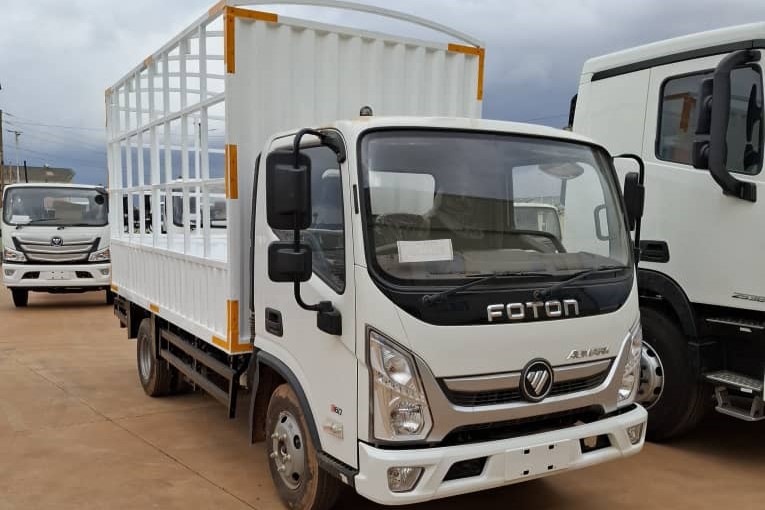
Foton Trucks & Spare World focuses on Foton spare parts solutions for customers looking after their commercial vehicles.
If you are looking for engine parts, filters, braking components, suspension parts or other replacement items, contact our team with your vehicle details.
Foton Trucks & Spare World
- Location: Namanve, Kampala, Uganda
- Phone: +256 759 386232
- Email: info@fotontruckworld.com
- Website: https://fotontruckworld.com
Need spare parts for your Foton vehicle? Contact us today with your model and part requirements.